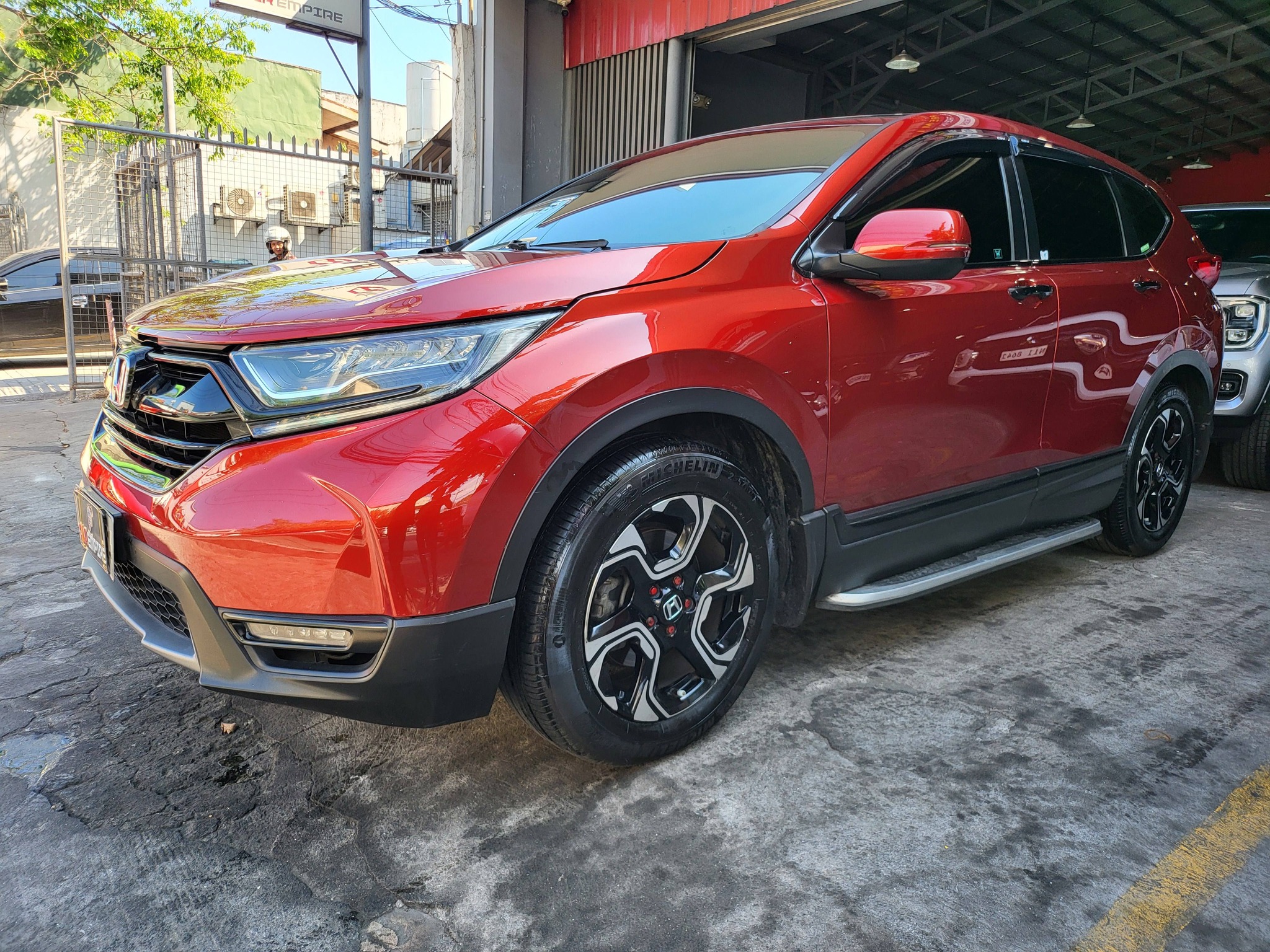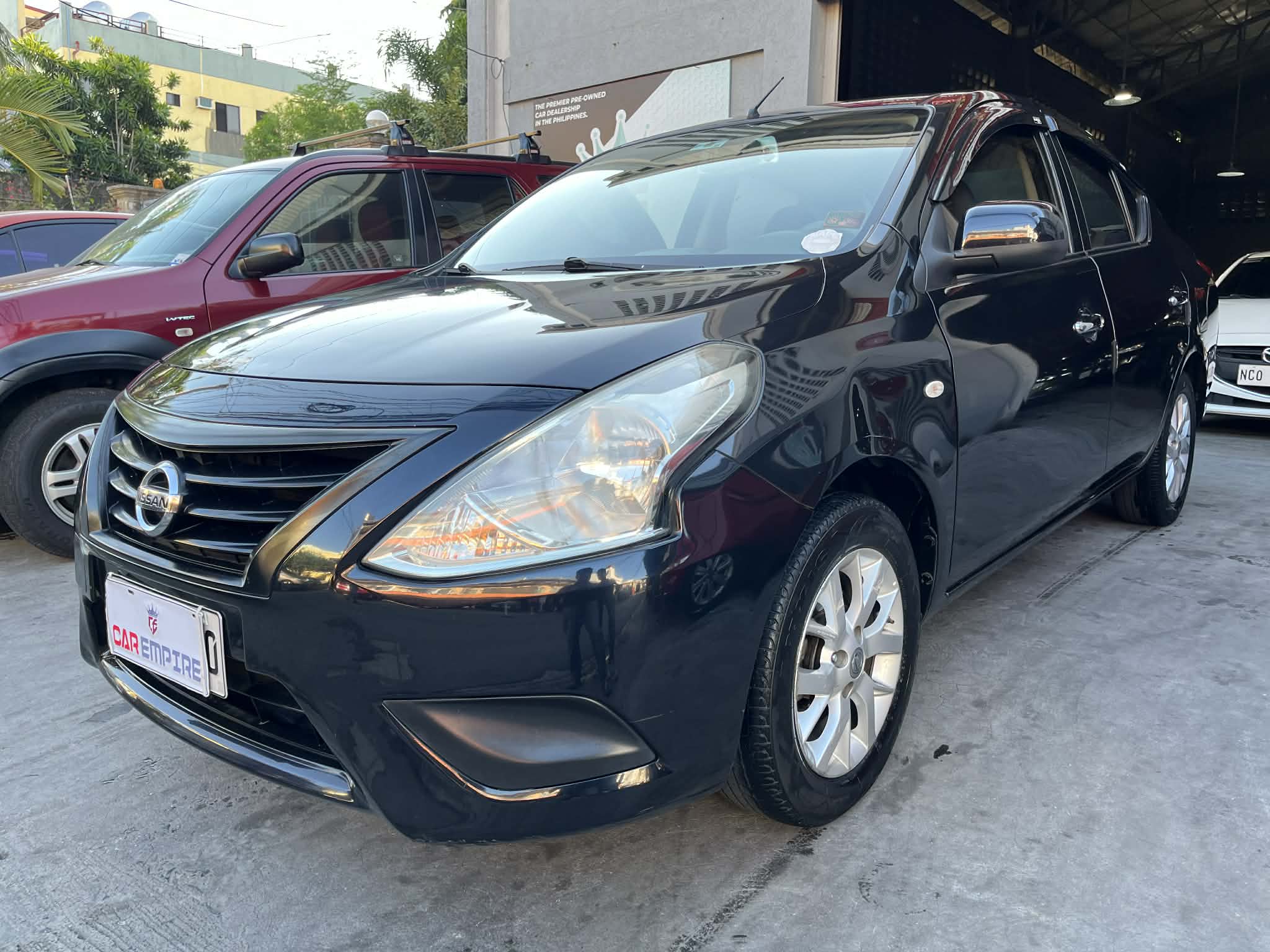
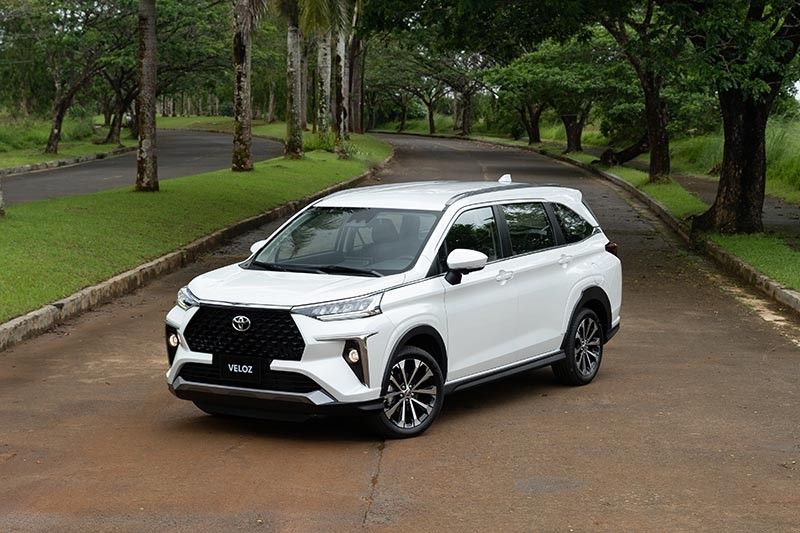
Philippines cars have become an essential part of modern Filipino life, offering mobility, convenience, and style for daily commutes, family trips, and business needs. The automotive industry in the Philippines has grown rapidly over the past decades, fueled by an increasing demand for personal vehicles and the rising popularity of both local and imported models. With a variety of brands, types, and features available, choosing the right Philippines cars can be overwhelming but exciting for buyers who value quality, reliability, and performance. Understanding the market trends, popular brands, and emerging technologies can help car enthusiasts and first-time buyers make informed decisions.
Philippines cars are not just about transportation; they reflect lifestyle choices, financial planning, and personal taste. From compact sedans perfect for navigating busy city streets to SUVs designed for family adventures, the diversity in car models caters to every need and preference. The increasing interest in electric vehicles (EVs) and hybrid cars also shows how the industry is adapting to environmental concerns and global innovations.
History and Evolution of Cars in the Philippines
The journey of Philippines cars began with early imports and local assembly projects, laying the foundation for a thriving automotive industry. During the 1950s and 1960s, imported cars were considered luxury items and were primarily available to affluent families and businesses. As demand grew, local assembly plants emerged, producing more affordable vehicles suited for Filipino consumers.
Government policies and incentives during the 1970s and 1980s encouraged foreign investments and the growth of local car manufacturing. These policies helped establish assembly plants for popular Japanese brands, which continue to dominate the market today. Motor shows, car clubs, and automotive events gradually became part of Filipino culture, allowing car enthusiasts to showcase and explore the latest Philippines cars.
The evolution of Philippines cars reflects the changing needs of Filipino society. Compact and fuel-efficient models became highly sought after during urban expansion, while larger SUVs and vans gained popularity among families and businesses. Technological advancements, safety improvements, and environmental considerations have further shaped the industry, offering more options and better value for car buyers.
Popular Car Brands in the Philippines
Philippines cars are dominated by a mix of Japanese, Korean, European, and American brands, each catering to different market segments. Japanese brands like Toyota, Honda, and Nissan have maintained a strong presence due to their reliability, affordability, and extensive service networks. Toyota, for example, is known for models like the Vios, Fortuner, and Hilux, which have become household names in the Philippines.
Korean brands such as Hyundai and Kia have also captured significant market share by offering stylish designs, competitive pricing, and feature-rich vehicles. Hyundai cars like the Tucson and Accent appeal to both urban drivers and families, while Kia continues to attract younger buyers with models like the Sportage and Cerato.
European and American brands add variety to the Philippines cars market, with Ford, BMW, and Mercedes-Benz representing performance, luxury, and innovation. These vehicles cater to buyers looking for advanced technology, premium interiors, and distinctive designs. Despite higher price points, European and American cars maintain a loyal following among Filipino enthusiasts who value quality and brand prestige.
Most Popular Car Models Today
Philippines cars today come in various types to suit diverse driving conditions and lifestyles. Compact cars and sedans remain highly popular due to their fuel efficiency, ease of parking, and affordability. Models like the Toyota Vios, Honda City, and Hyundai Accent dominate urban streets, providing reliable transportation for daily commutes.
SUVs and crossovers are preferred by families and adventure seekers. Vehicles like the Toyota Fortuner, Mitsubishi Montero Sport, and Hyundai Tucson offer spacious interiors, advanced safety features, and durable performance for both city driving and weekend trips. These models combine comfort with versatility, making them ideal for the Philippine road environment.
Luxury and high-performance vehicles represent a growing segment of Philippines cars, catering to buyers seeking premium experiences. Brands such as BMW, Mercedes-Benz, and Audi provide exceptional driving dynamics, sophisticated interiors, and cutting-edge technology. These cars are symbols of status and achievement for many Filipino car owners.
The rise of electric vehicles and hybrid cars marks a new chapter for Philippines cars. EVs such as the Hyundai Ioniq, Kia EV6, and Nissan Leaf are gaining interest among environmentally conscious buyers. These vehicles offer reduced emissions, lower operating costs, and innovative technology. Hybrid models like the Toyota Prius and Honda CR-V Hybrid provide a balance between fuel efficiency and convenience, appealing to urban commuters who prioritize sustainability.
Factors Filipinos Consider When Buying Cars
Buying Philippines cars involves careful consideration of several factors, reflecting both practical needs and personal preferences. Price remains a primary concern, with buyers exploring financing options, installment plans, and promotional deals to make purchases more accessible. Affordable and cost-effective vehicles often attract first-time buyers, while more experienced owners may prioritize long-term investment value.
Fuel efficiency is another critical factor, especially with rising fuel costs and congested traffic conditions. Cars that deliver excellent mileage and low maintenance costs are preferred by urban commuters and budget-conscious families. Safety features and technology also play a vital role, with buyers looking for vehicles equipped with airbags, anti-lock braking systems, electronic stability control, and advanced driver-assistance systems.
Resale value is an important consideration for those who may upgrade vehicles periodically. Brands with strong reliability records, widespread service networks, and durable performance tend to retain higher resale prices, making them attractive to Filipino buyers.
Philippines cars are also evaluated based on aesthetics, comfort, and usability. Interior space, cargo capacity, seating arrangements, and infotainment systems influence buying decisions, especially for families and frequent travelers. Buyers often research online reviews, visit dealerships, and consult friends and car clubs to ensure they choose the right vehicle for their lifestyle.
Car Dealerships and Where to Buy Cars
Philippines cars are widely available through authorized dealerships, second-hand markets, and online platforms. Major dealerships such as Toyota, Honda, Ford, Hyundai, and Kia provide brand-new models with warranty support, financing options, and after-sales services. Visiting these dealerships allows buyers to test drive vehicles, explore features, and make informed choices.
Used car markets offer more affordable options for buyers seeking quality vehicles at lower prices. Certified pre-owned programs from reputable dealerships help ensure reliability and reduce the risk of purchasing vehicles with hidden issues. Online platforms and marketplaces also make it easier to browse a wide selection of Philippines cars, compare prices, and arrange transactions conveniently.
With the growth of digital tools, buyers can now access reviews, vehicle histories, and price comparisons online, making the process of purchasing Philippines cars more transparent and efficient. Many dealerships also provide virtual consultations, allowing buyers to discuss financing, features, and availability without visiting the showroom physically.
Future of Cars in the Philippines
The future of Philippines cars is shaped by sustainability, technology, and evolving consumer needs. Electric vehicles are becoming more accessible, with government incentives encouraging EV adoption and the development of charging infrastructure. As more buyers prioritize environmental impact, EVs and hybrid cars are expected to gain traction across the country.
Smart technology is also transforming the driving experience. Connected cars, advanced infotainment systems, and driver-assistance features are becoming standard in newer models, offering convenience, safety, and entertainment for drivers and passengers. Autonomous driving and AI-assisted navigation are anticipated to influence the next generation of Philippines cars.
Changing lifestyles and urban planning trends will also shape vehicle demand. Compact cars, fuel-efficient vehicles, and multi-functional SUVs are expected to remain popular, while luxury and high-performance cars will continue to attract niche markets. The automotive industry in the Philippines is poised for growth, innovation, and diversification, ensuring buyers have more options than ever before.
FAQ
What are the most popular Philippines cars today?
Popular Philippines cars include compact sedans like Toyota Vios and Honda City, SUVs like Toyota Fortuner and Hyundai Tucson, and hybrid or electric models like Toyota Prius and Hyundai Ioniq.
Are electric cars practical in the Philippines?
Electric cars are becoming increasingly practical, especially in urban areas. Government incentives, growing charging infrastructure, and low operating costs make EVs and hybrids attractive for environmentally conscious buyers.
Which car brands are most reliable in the Philippines?
Japanese brands like Toyota, Honda, and Nissan are widely regarded as reliable, offering long-lasting performance, easy maintenance, and strong resale value.
Where can I buy Philippines cars?
Philippines cars can be purchased through authorized dealerships, certified pre-owned programs, and online marketplaces. Major dealerships provide financing, warranties, and test-drive options.
What factors should I consider when buying a car in the Philippines?
Key factors include price, fuel efficiency, safety features, maintenance costs, resale value, comfort, and personal preferences. Researching and comparing models is crucial before making a decision.