Understanding Loaders and Their Importance in the Philippines
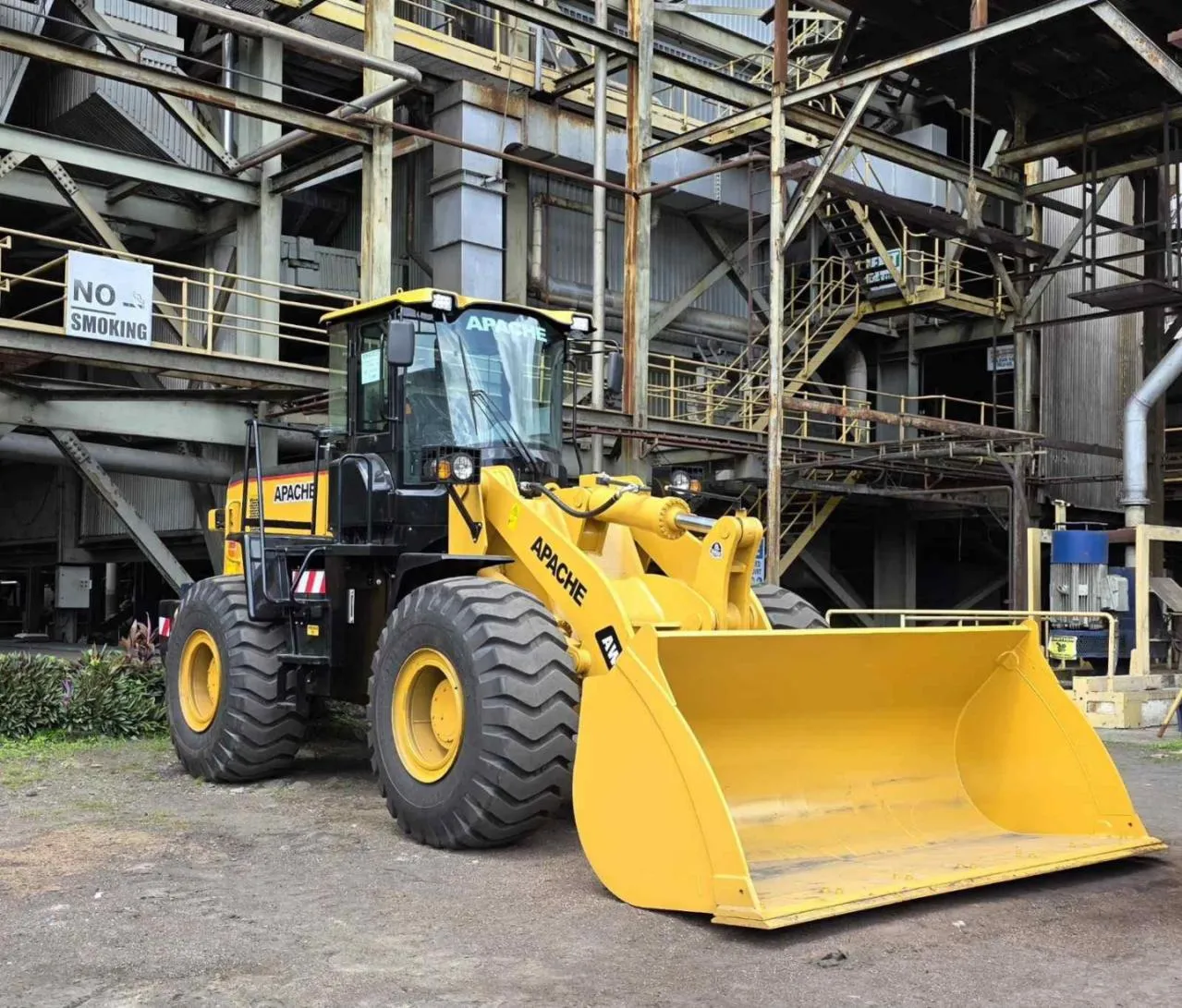
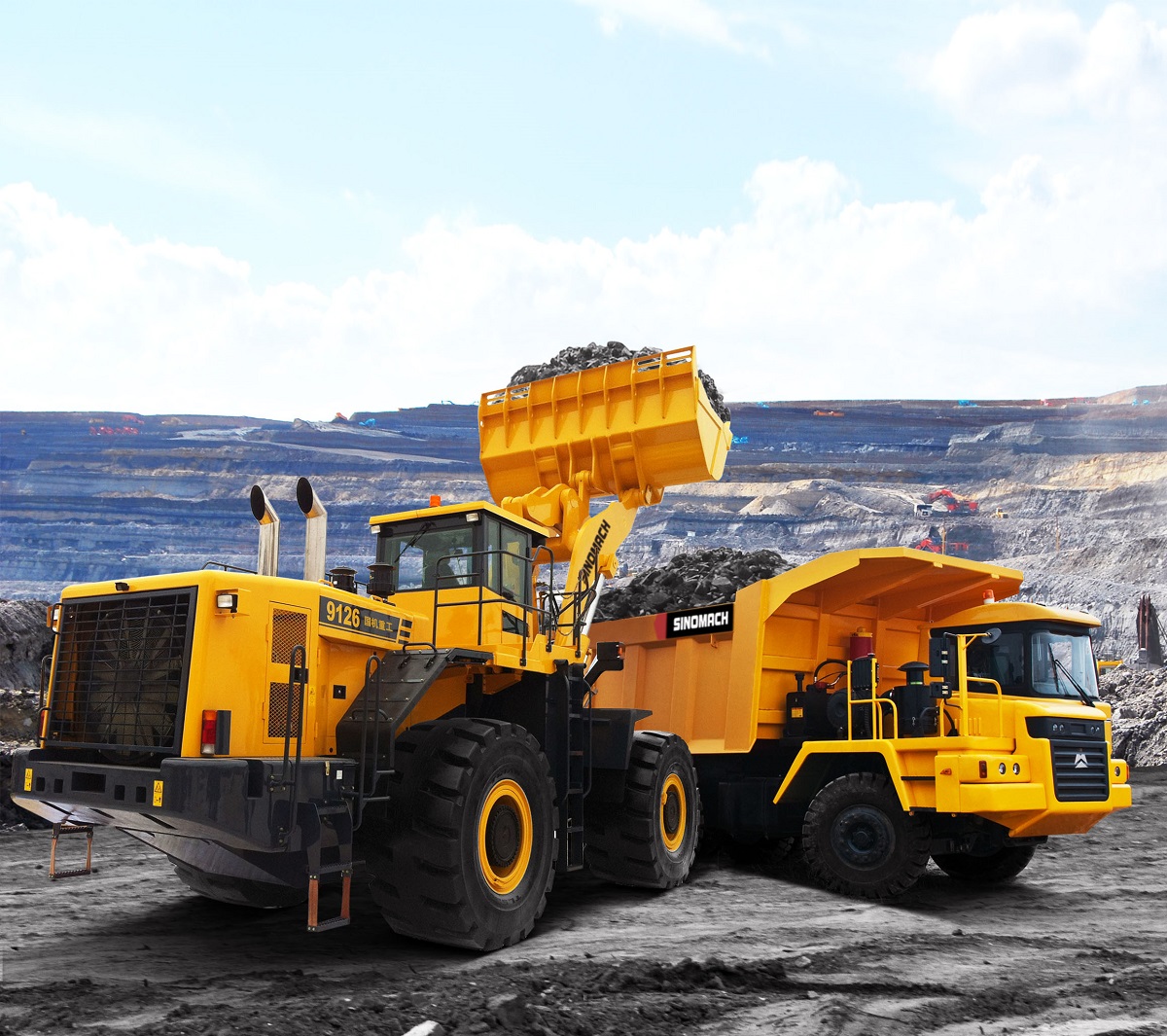
Loaders are essential heavy equipment widely used across construction sites, mining operations, agriculture, and industrial projects in the Philippines. These machines are designed to move large amounts of material, such as soil, sand, gravel, or agricultural products, quickly and efficiently. There are several types of loaders available, including wheel loaders, skid-steer loaders, and backhoe loaders, each with specific advantages for different tasks. Wheel loaders are ideal for large-scale earthmoving, while skid-steer loaders provide maneuverability in tight spaces. Backhoe loaders combine the capabilities of a loader and an excavator, making them versatile for multi-purpose applications. Investing in a reliable loader not only boosts productivity but also ensures that projects stay on schedule. Choosing the right supplier is equally crucial because the performance of these machines depends heavily on quality, maintenance, and support services.
Factors to Consider When Choosing a Loader Supplier
Selecting the right loader supplier in the Philippines requires careful evaluation of several factors. First, the quality and reliability of the equipment must meet international standards and handle the demands of local conditions. Second, suppliers who offer spare parts and maintenance services help minimize downtime and maximize the machine’s lifespan. The reputation of a supplier and their years of experience in the Philippine market can indicate their credibility and reliability. Warranty coverage and after-sales support are vital for addressing unexpected issues. Logistics and delivery timelines are also critical, especially for projects in remote areas where timely delivery impacts operations. Another consideration is whether the supplier can provide flexible financing or leasing options to accommodate budget constraints. Finally, assessing the supplier’s customer service responsiveness ensures smooth transactions and ongoing support for operational needs.
Popular Loader Brands and Models in the Philippines
Several international and local brands dominate the loader market in the Philippines, offering a range of options for different industries. International brands are often recognized for their durability, advanced technology, and wide availability of spare parts. Local distributors sometimes provide more accessible pricing and faster service for on-the-ground support. Popular loader models vary in load capacity, engine power, and operational features to suit specific tasks. Choosing a brand or model depends on project requirements, budget, and expected workload. Some modern loaders are designed to be fuel-efficient and environmentally friendly, which is essential for businesses looking to reduce operational costs and comply with regulations. By understanding the specifications and capabilities of each loader, businesses can make informed purchasing decisions that match their project needs. Evaluating multiple brands side by side helps identify the equipment that provides the best balance of performance and value.
Understanding Loader Specifications
When evaluating loaders, understanding the key specifications is crucial for selecting the right machine. Load capacity determines how much material the loader can handle efficiently, which affects project timelines and productivity. Engine power influences the machine’s performance, especially in challenging terrains or heavy-duty tasks. Bucket size and lifting height impact the efficiency of material handling and excavation work. Fuel efficiency and emissions compliance are important for reducing operational costs and environmental impact. Safety features, such as rollover protection, emergency stop systems, and operator-friendly controls, are essential for workplace safety. Additionally, the adaptability of loaders for multiple applications, like construction, mining, or agriculture, increases their versatility. Ensuring that the specifications match operational demands helps businesses avoid downtime and costly upgrades in the future.
Benefits of Choosing a Reliable Loader Supplier in the Philippines
Partnering with a reliable loader supplier provides significant advantages for businesses in various industries. A trustworthy supplier ensures access to high-quality equipment that is built to last under demanding conditions. Cost savings are achieved through reduced downtime, fewer maintenance issues, and longer machine lifespan. Reliable suppliers often offer guidance on selecting the right loader for specific projects, enhancing efficiency and productivity. Access to spare parts and maintenance services reduces the risk of project delays. Timely delivery and logistics support ensure that operations stay on schedule. Flexible financing or leasing options allow businesses to manage budgets effectively. Overall, having a dependable supplier creates a seamless experience that supports both short-term projects and long-term growth.
Trends in the Loader Industry in the Philippines
The demand for loaders in the Philippines has grown steadily due to increased infrastructure development, mining operations, and agricultural expansion. Modern loaders are now being designed with eco-friendly engines to reduce emissions and fuel consumption. Technological advancements, such as telematics, automated controls, and smart machinery integration, are improving efficiency and safety on job sites. Businesses are increasingly looking for multi-purpose loaders that can handle multiple applications without needing additional equipment. The rise of leasing and rental options makes it easier for smaller businesses to access advanced machinery without heavy upfront costs. Suppliers are responding by offering more comprehensive service packages and training for operators. Staying updated with these trends allows companies to make informed decisions and gain a competitive advantage in their operations.
Questions to Ask Before Finalizing a Loader Supplier
Before committing to a loader supplier, asking the right questions ensures a smooth purchasing experience. Key questions include:
- What types of maintenance and support services are included in the package?
- How long has the supplier been operating in the Philippines, and what is their track record?
- Are flexible financing, leasing, or rental options available?
- How does the supplier handle warranty claims and part replacements?
- Can the supplier provide solutions tailored to specific project requirements?
- What is the expected delivery timeline, especially for remote locations?
- Are there training programs for operators and technicians?
These questions help businesses evaluate the supplier’s reliability, expertise, and ability to meet operational needs.
Frequently Asked Questions (FAQ)
What is the typical lifespan of a loader purchased in the Philippines?
A well-maintained loader can last 8 to 15 years depending on usage, workload, and adherence to maintenance schedules.
Are imported loaders better than locally available ones?
Imported loaders often feature advanced technology and durability, but local models can be more cost-effective and easier to service due to faster availability of parts.
How can I ensure timely delivery of a loader to remote areas?
Working with suppliers that have established logistics networks in the Philippines helps guarantee timely delivery, even to remote locations.
What certifications should a trustworthy loader supplier have?
Suppliers should ideally hold ISO certifications, compliance with safety standards, and proof of authorized dealership for recognized brands.
How do I know if a loader fits my business’s operational needs?
Evaluating your project requirements, load capacity needs, terrain conditions, and maintenance capabilities will determine the appropriate loader type and model.
Takeaway
Choosing the right loader supplier in the Philippines is more than just purchasing machinery. It involves assessing supplier reliability, equipment quality, support services, and market trends. A dependable supplier ensures that businesses can operate efficiently, reduce downtime, and maximize productivity. By considering key factors such as specifications, warranty, and after-sales service, companies can make smart investment decisions. Keeping up with technological trends and industry developments further strengthens operational success. Asking the right questions and understanding the full range of options ensures that your loader investment delivers long-term value. Partnering with a trusted supplier not only secures high-performance equipment but also provides ongoing support for smooth and profitable operations.