The market for Philippines cars has grown significantly over the past decade, reflecting the country’s expanding economy and increasing demand for personal transportation. Car ownership has become a major part of everyday life for Filipino families, professionals, and businesses. With rising urbanization, longer commutes, and a focus on convenience, many are exploring the best options for cars that fit their lifestyle and budget. From compact hatchbacks to family-friendly SUVs and high-performance sedans, Philippines cars cater to a wide variety of needs and preferences. This article provides a comprehensive guide to understanding the market, popular models, buying considerations, maintenance tips, and future trends for cars in the Philippines.
Overview of the Philippine Car Market
The Philippines car market has seen notable shifts in consumer preferences over recent years. Small and fuel-efficient cars remain popular among urban residents, while SUVs and multi-purpose vehicles are increasingly sought after for family use. The introduction of electric and hybrid cars is gradually changing how Filipinos approach car ownership. Annual car sales data highlights strong demand, particularly for reliable brands that offer affordable maintenance and high resale value. Popular models often combine style, practicality, and fuel efficiency, making them attractive to both first-time buyers and experienced drivers. Philippines cars are available in a wide price range, offering options for every budget without sacrificing quality or performance.
Types of Cars Popular in the Philippines
Sedans remain a staple for those looking for comfort, reliability, and affordability. Models like the Toyota Corolla and Honda Civic provide smooth handling, fuel efficiency, and modern features that make them practical for city driving and daily commutes.
SUVs have become a top choice for families and adventure enthusiasts. Vehicles like the Toyota Fortuner and Mitsubishi Montero Sport offer spacious interiors, high ground clearance, and off-road capabilities, making them ideal for both urban streets and provincial roads.
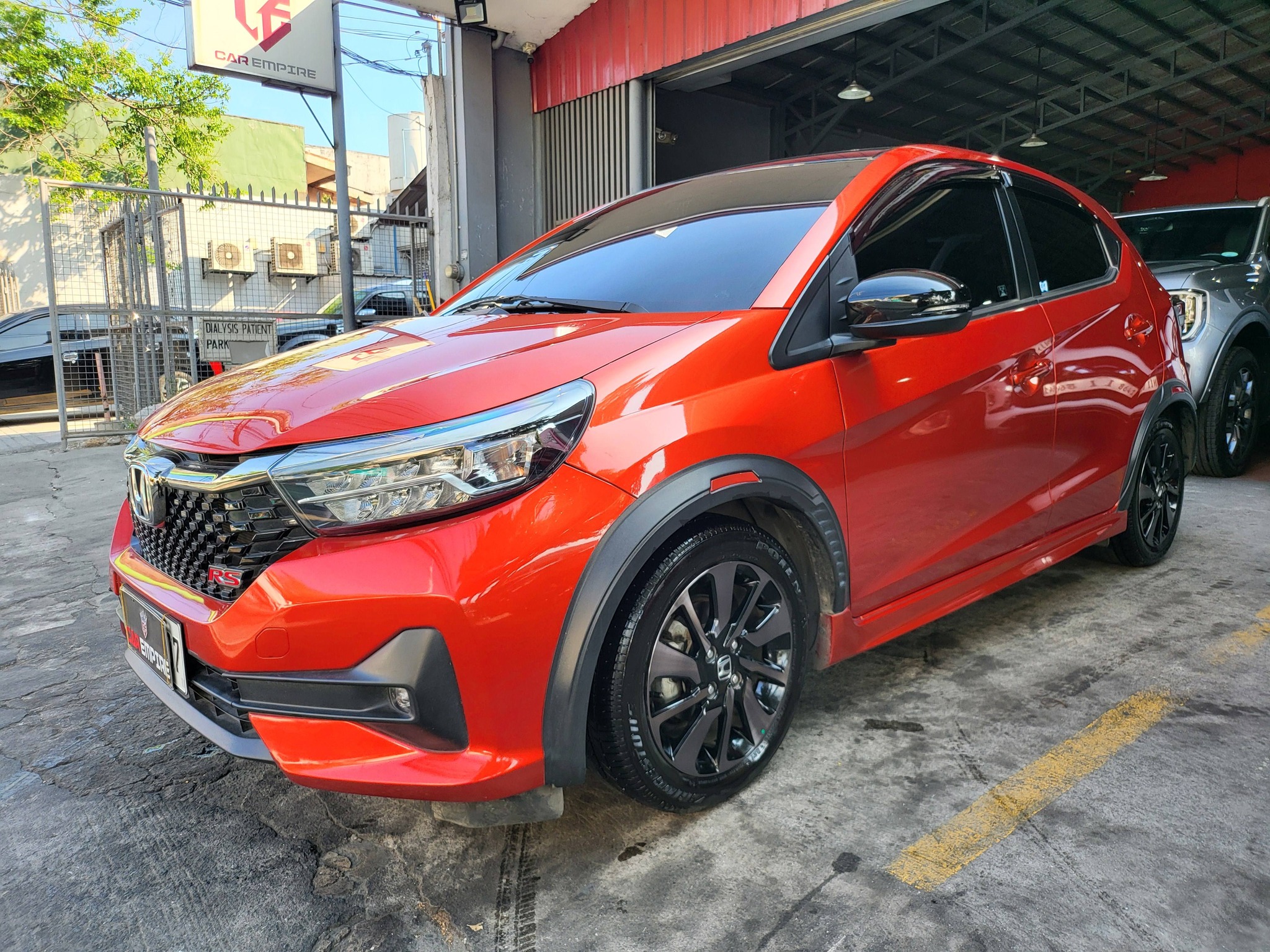
Hatchbacks are ideal for city dwellers who value compact size, fuel economy, and easy parking. Cars such as the Honda Jazz and Mitsubishi Mirage are perfect for navigating crowded streets without sacrificing style or performance.
Electric and hybrid vehicles are gaining traction as Filipinos become more eco-conscious. The Nissan Leaf and Toyota Prius provide low-emission alternatives while maintaining efficiency and comfort. Incentives and government programs encouraging cleaner vehicles continue to boost interest in this segment.
Factors Influencing Car Purchases in the Philippines
Buying Philippines cars involves more than just selecting a brand or model. Price and financing options play a crucial role in decision-making. Many buyers choose installment plans or bank financing to manage costs without compromising on features or quality. Fuel efficiency and maintenance costs are equally important, especially given rising fuel prices and vehicle upkeep considerations. Resale value also matters, as many buyers aim to invest in cars that retain value over time. Availability of dealerships and after-sales service affects the overall ownership experience, ensuring that maintenance, spare parts, and repairs are easily accessible.
Popular Car Brands and Models
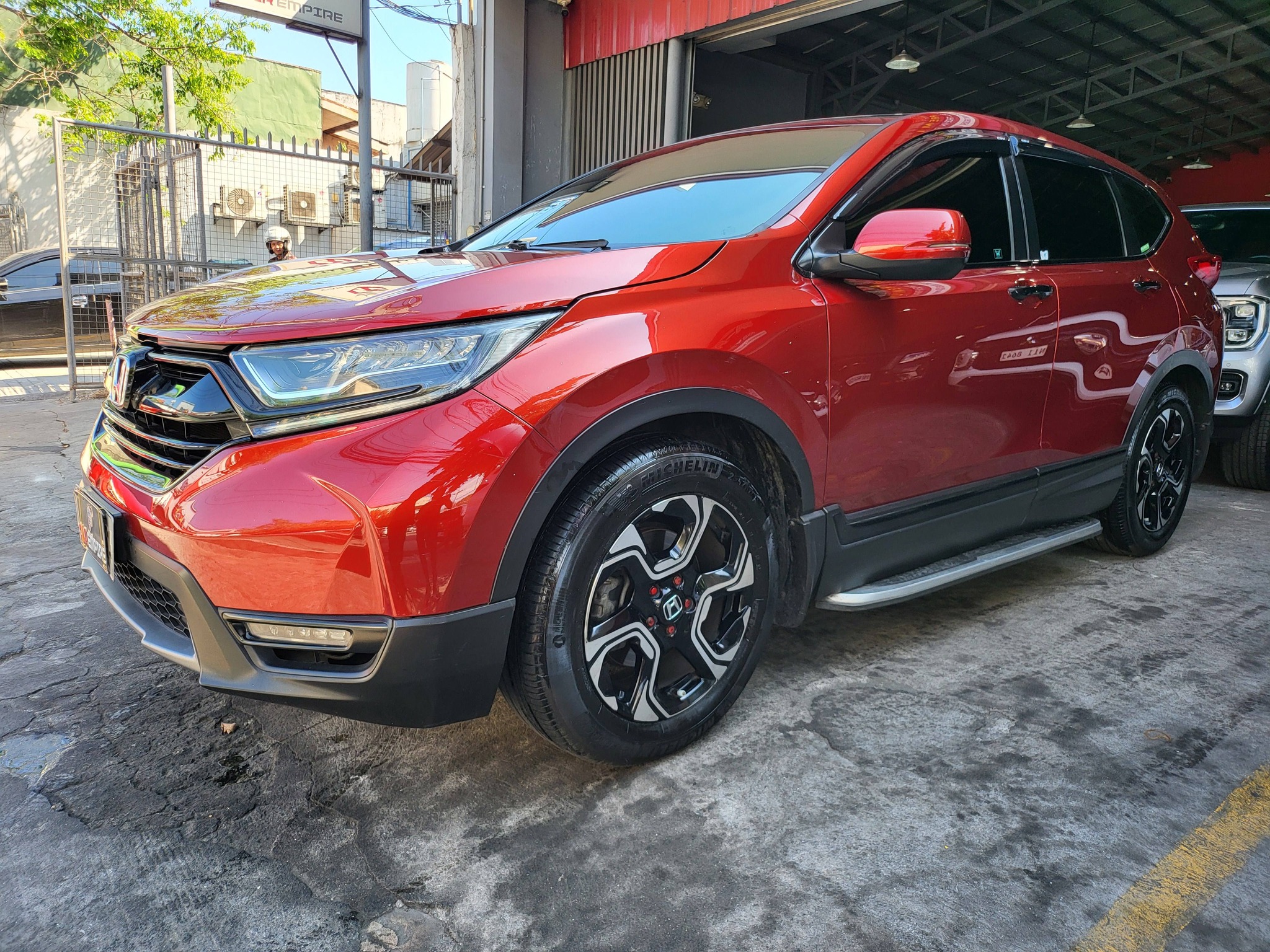
Several brands dominate the Philippines cars market due to reliability, performance, and affordability. Toyota leads with models such as the Corolla, Fortuner, and Hilux, offering a combination of durability and modern features. Mitsubishi is recognized for models like the Mirage and Montero Sport, which provide practical solutions for both city driving and off-road needs. Honda remains popular with the Civic and CR-V, known for sleek design and strong performance. Other brands such as Ford, Nissan, and Hyundai offer competitive options, catering to different customer preferences and budgets. Each brand has built trust over the years by focusing on quality, safety, and customer satisfaction.
Buying vs. Leasing Cars in the Philippines
Many Filipinos are exploring the choice between buying and leasing Philippines cars. Buying offers full ownership, flexibility, and long-term value, but it requires a significant upfront investment or financing. Leasing provides lower monthly payments and the ability to switch vehicles periodically, making it appealing for professionals or businesses that require fleet management. Financing options vary widely, with banks and dealerships offering competitive interest rates and flexible terms. First-time buyers should carefully evaluate total costs, including insurance, maintenance, and registration, before deciding on the best approach for their needs.
Tips for Maintaining Your Car in the Philippines
Maintaining Philippines cars is essential for long-term performance and safety. Regular servicing and routine checks, such as oil changes, brake inspections, and tire rotations, help prevent unexpected issues. The tropical climate poses unique challenges, including high heat, heavy rain, and humidity, which can affect engine performance, paint, and interiors. Choosing the right insurance and warranties ensures protection against accidents, natural calamities, and theft. Car owners are encouraged to follow manufacturer-recommended maintenance schedules and address minor issues promptly to avoid costly repairs. Proper care enhances the lifespan of vehicles and maintains resale value.
Future of Cars in the Philippines
The future of Philippines cars is closely tied to sustainability and innovation. The rise of electric and hybrid vehicles is expected to continue as the government promotes cleaner transportation through tax incentives and infrastructure development. Smart technology, including advanced safety features and connected car systems, is gradually being integrated into new models, enhancing driving experience and convenience. Predictions indicate that urban centers will see an increase in compact, eco-friendly vehicles, while SUVs and larger vehicles will remain popular in suburban and rural areas. The automotive landscape in the Philippines is evolving to meet changing consumer preferences, environmental concerns, and technological advancements.
Takeaway
Philippines cars reflect the diverse needs of Filipino drivers, offering options ranging from affordable sedans and hatchbacks to premium SUVs and eco-friendly vehicles. Choosing the right car involves balancing price, reliability, fuel efficiency, and personal preferences. With proper maintenance, careful consideration of financing options, and awareness of market trends, car ownership in the Philippines becomes a rewarding experience. The growing variety of models, improved technology, and increased availability of eco-friendly options ensure that every driver can find a car that fits their lifestyle and needs.
FAQ
What is the most popular car in the Philippines?
Toyota models, particularly the Corolla, Fortuner, and Hilux, consistently top the list of popular Philippines cars due to reliability and resale value.
Which car brand is most reliable in the Philippines?
Toyota and Honda are widely regarded as the most reliable brands, known for durable vehicles and accessible after-sales service.
How much does a new car cost in the Philippines?
Prices vary depending on brand, model, and features. Hatchbacks and sedans typically start around ₱600,000, while SUVs and premium models can exceed ₱2,000,000.
Are electric cars available in the Philippines?
Yes, electric and hybrid vehicles like the Nissan Leaf and Toyota Prius are available and gaining popularity, supported by government incentives and charging infrastructure.
Is leasing a car better than buying in the Philippines?
Leasing offers lower monthly payments and flexibility, while buying provides full ownership and long-term value. The best choice depends on personal budget, lifestyle, and usage needs.