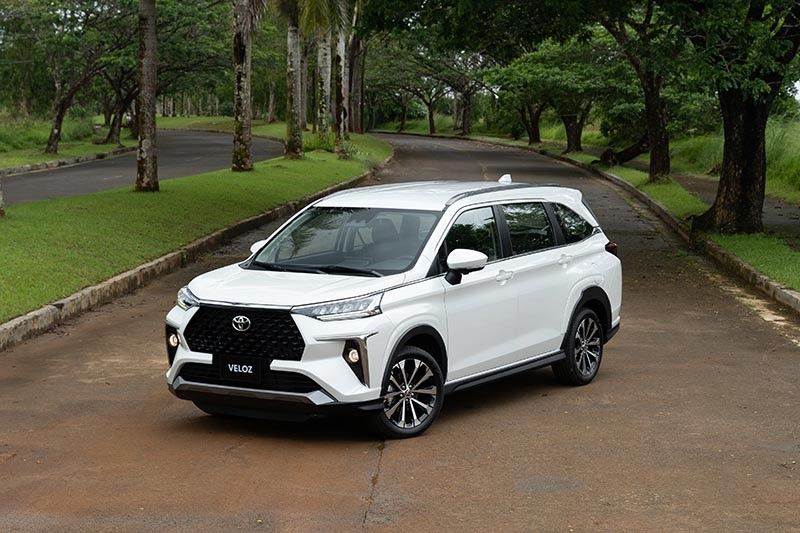
Philippines cars have become an essential part of daily life, shaping the way people move around cities and provinces alike. With urbanization and economic growth, car ownership continues to rise, making the automotive market in the Philippines more competitive than ever. Choosing the right vehicle has never been more important as Filipino drivers seek cars that balance style, efficiency, safety, and affordability. Understanding the current landscape of Philippines cars helps buyers make informed decisions and discover options that fit their lifestyle, whether for commuting, family use, or business purposes.
The demand for Philippines cars has evolved over the years, reflecting changes in technology, consumer preferences, and infrastructure development. From small sedans that maneuver through crowded streets to SUVs built for longer trips and challenging road conditions, the market offers diverse options. Electric vehicles are also beginning to gain traction, signaling a shift toward sustainable driving in the country.
This guide explores the Philippine car market, the types of vehicles available, factors influencing purchases, challenges, future trends, and tips for buyers. It provides a comprehensive view of Philippines cars while helping readers navigate their options wisely.
Overview of the Philippine Car Market
Philippines cars have experienced steady growth over the last decade, fueled by economic expansion, rising middle-class incomes, and improved access to financing. Popular models often include compact sedans, SUVs, and multi-purpose vehicles that suit both urban and provincial driving conditions. Brands such as Toyota, Mitsubishi, Honda, and Ford dominate the market, each offering a variety of models tailored to the needs of Filipino consumers.
The automotive industry in the Philippines also benefits from government programs that encourage car ownership, including tax incentives for hybrid and electric vehicles. Urbanization and infrastructure projects further drive demand for vehicles capable of navigating both busy city streets and provincial highways. The increasing number of registered cars highlights a growing reliance on personal vehicles, positioning Philippines cars as a vital component of mobility and daily convenience.
Popular Types of Cars in the Philippines
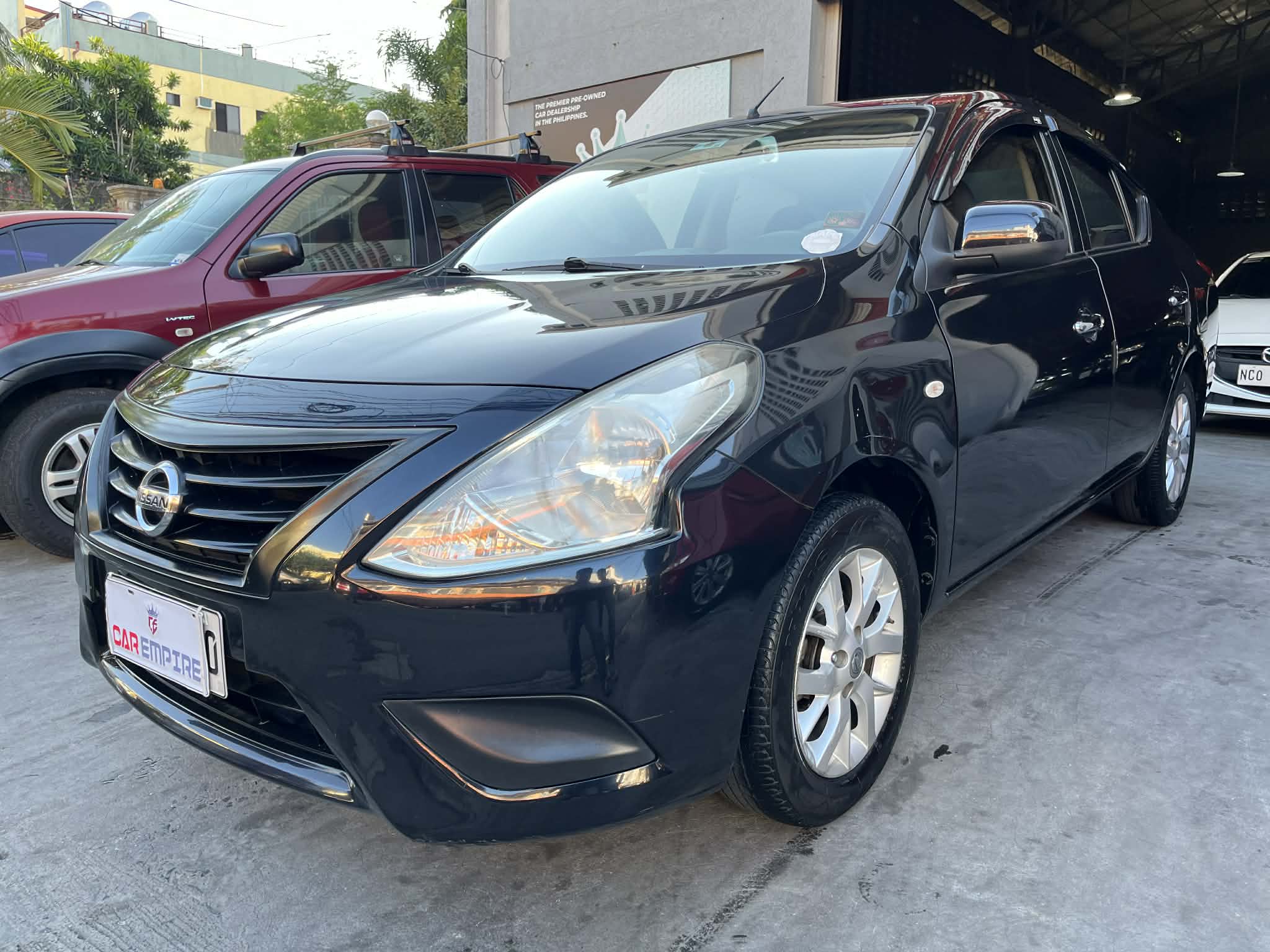
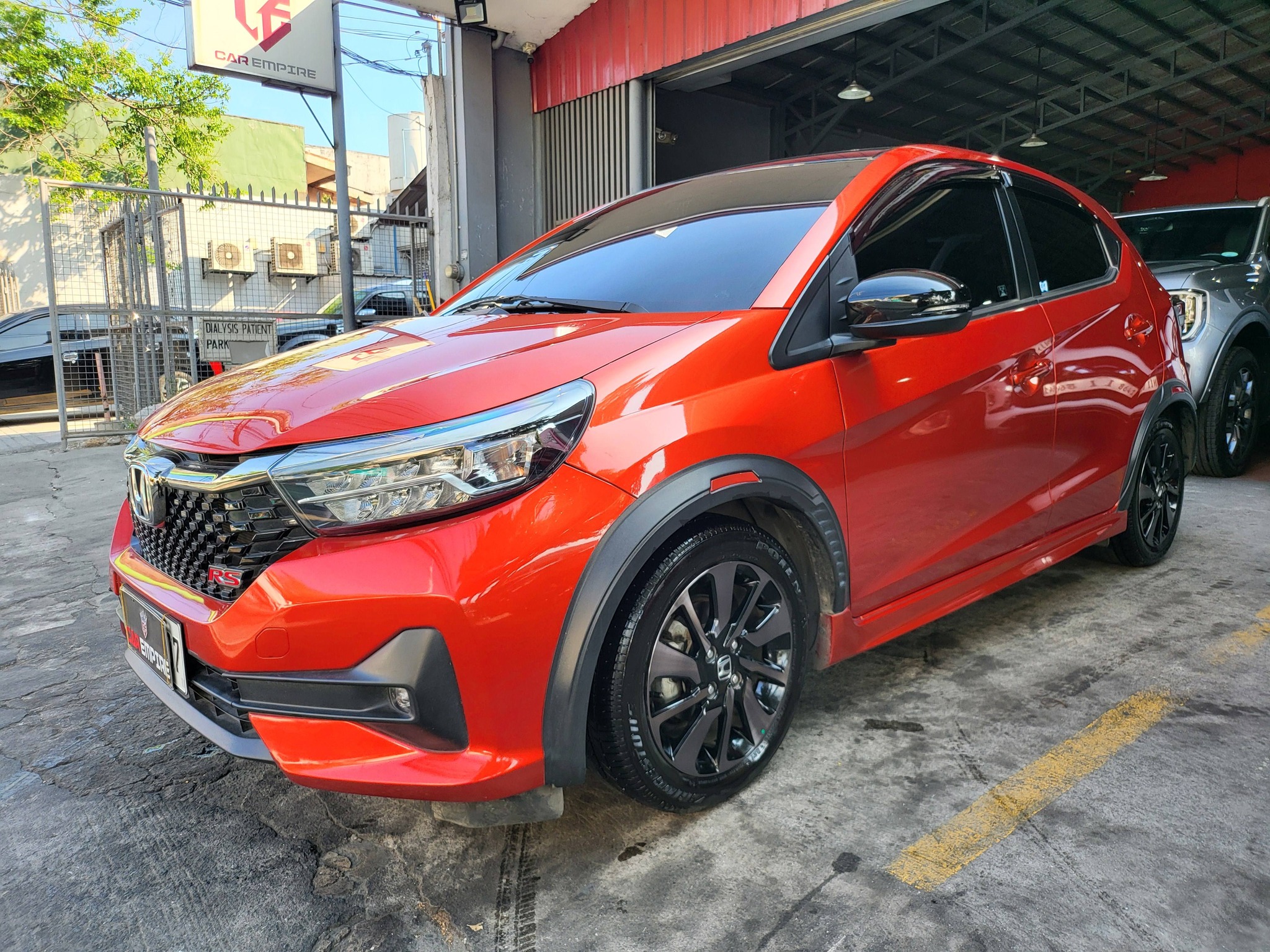
Compact cars and sedans are highly favored for city driving, offering fuel efficiency and ease of maneuverability. These vehicles appeal to young professionals and small families who prioritize cost-effective transportation without sacrificing comfort. Compact sedans are also ideal for daily commuting, especially in cities with heavy traffic where smaller vehicles are easier to park and navigate.
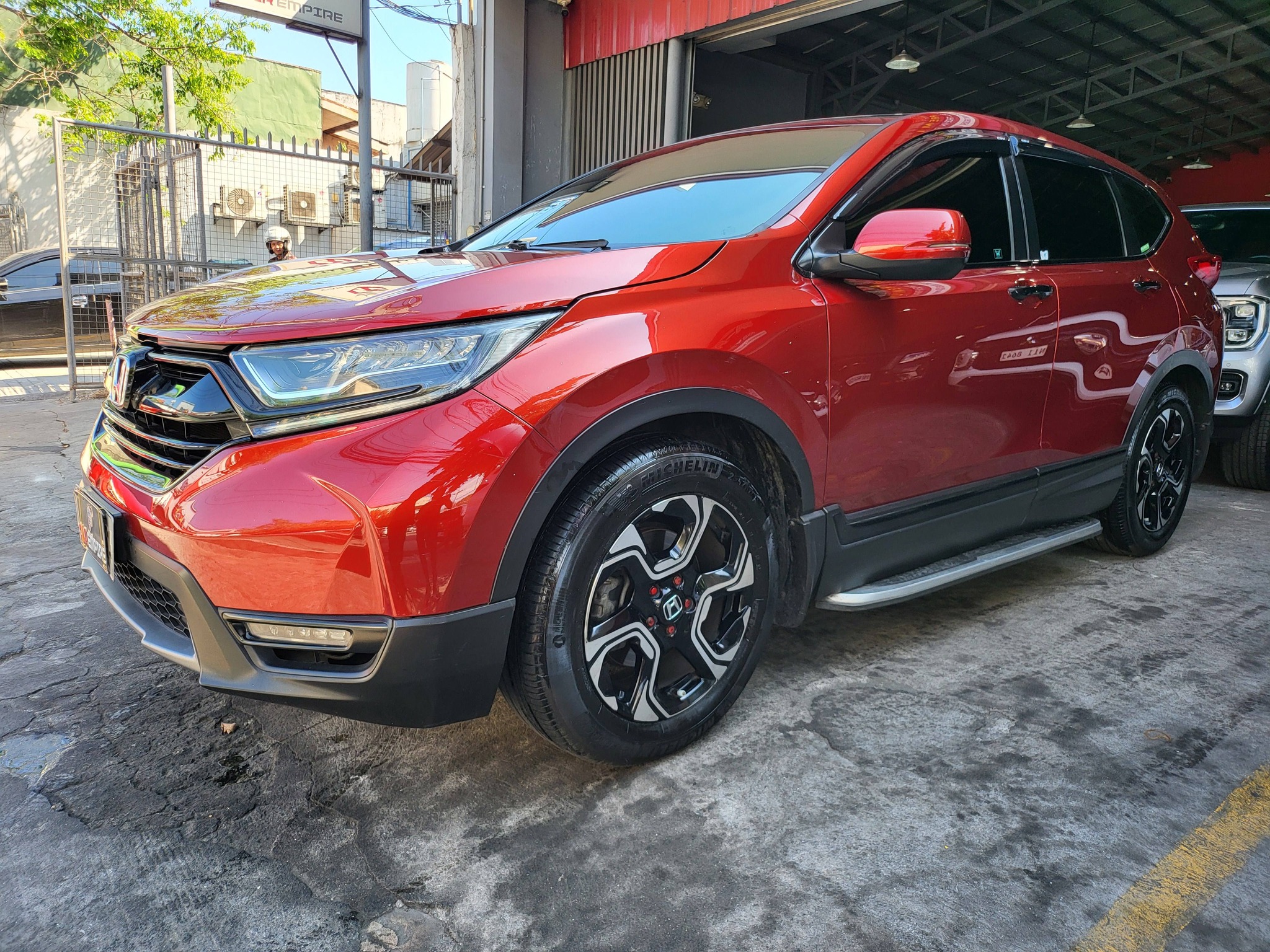
SUVs are gaining popularity as families and adventure enthusiasts seek vehicles that can handle longer trips and rougher roads. The versatility of SUVs makes them suitable for both city driving and weekend excursions. Many Filipinos prefer SUVs for their spacious interiors, high driving position, and ability to carry larger loads.
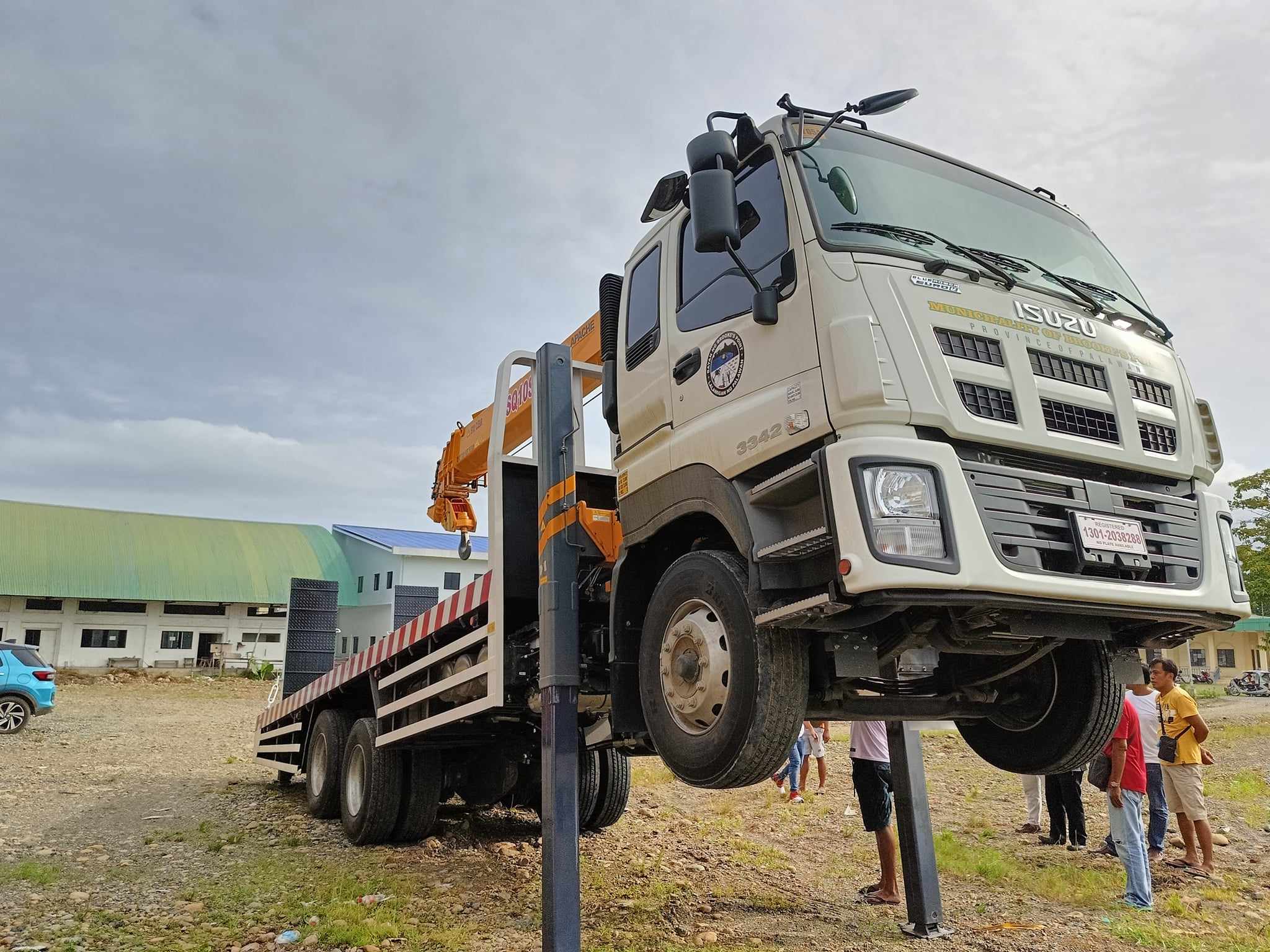
Pickup trucks serve dual purposes for business and personal use, particularly in areas outside major cities. These vehicles are practical for transporting goods, construction materials, and equipment. Their durability and strong performance in challenging road conditions make them a staple in many provincial areas.
Electric vehicles are emerging as a growing segment of Philippines cars, supported by government incentives and environmentally conscious buyers. EVs offer reduced fuel costs and lower emissions, appealing to drivers who want to adopt sustainable practices while still enjoying modern technology. Although adoption is still in its early stages, the availability of charging infrastructure is gradually increasing, encouraging more Filipinos to consider electric models for daily use.
Factors Driving Car Purchases in the Philippines
Traffic conditions heavily influence the type of Philippines cars chosen by drivers. Vehicles with compact designs and efficient engines are preferred for urban areas, while larger vehicles are selected for families or those who frequently travel between cities and provinces. Fuel efficiency remains a critical factor as rising fuel prices affect the cost of daily commuting. Many buyers carefully consider a car’s miles per liter to maximize savings over time.
Safety features and technology also play a significant role in car purchases. Modern vehicles come equipped with airbags, anti-lock braking systems, and advanced driver-assistance features. Buyers increasingly look for vehicles with these enhancements to protect themselves and their families. Lifestyle considerations further shape car choices. Couples, single professionals, and large families have varying needs when it comes to space, seating, and cargo capacity. Weekend travelers often prefer vehicles that combine comfort with performance for longer journeys.
Financing options and resale value influence the decision-making process as well. Many buyers assess how easily a vehicle can be financed, the monthly installment amounts, and the potential for higher resale value in the future. These considerations ensure that Philippines cars remain practical and cost-effective over time.
Challenges in the Philippine Car Market
Traffic congestion is one of the biggest challenges for owners of Philippines cars. Urban centers like Metro Manila experience heavy traffic, which affects commuting times, fuel consumption, and overall convenience. Road conditions in some provincial areas also pose difficulties, as uneven surfaces, potholes, and narrow routes can challenge certain types of vehicles.
Rising fuel prices and maintenance costs are additional concerns. Buyers need to evaluate a car’s fuel efficiency and long-term maintenance to avoid unexpected expenses. Cars that are affordable upfront may have higher maintenance costs if spare parts or specialized services are required. Environmental concerns have also started to influence buyer behavior. More drivers are becoming aware of the impact of emissions and the need for sustainable alternatives. Government policies promoting electric vehicles and cleaner fuel are encouraging a gradual shift toward greener Philippines cars.
Car Trends and the Future of Driving in the Philippines
The future of Philippines cars points toward electric and hybrid vehicles. As infrastructure improves and charging stations become more accessible, EVs are expected to capture a larger share of the market. Government incentives and environmental awareness are likely to accelerate this trend, especially among urban drivers seeking eco-friendly alternatives.
Smart car technologies are another emerging trend. Connected vehicles equipped with navigation systems, advanced safety features, and real-time traffic updates are becoming more common. Filipino drivers are increasingly looking for cars that provide convenience, efficiency, and enhanced driving experiences.
Urban planning and road development also impact the future of Philippines cars. With ongoing investments in highways, expressways, and bridges, vehicles must adapt to a mix of city streets and provincial roads. The market is gradually shifting toward versatile cars capable of handling diverse driving conditions while offering modern features.
Tips for Buying a Car in the Philippines
Choosing the right Philippines car requires careful planning and research. Start by identifying your needs: consider the number of passengers, cargo space, fuel efficiency, and preferred driving conditions. Comparing vehicle models and reading reviews helps buyers make informed choices.
Financing options play a crucial role in affordability. Many banks and dealerships offer car loans with competitive interest rates, allowing buyers to purchase vehicles without straining their finances. Evaluating monthly payments, interest rates, and loan terms ensures sustainable ownership.
Selecting a reliable dealership or online marketplace is equally important. Established dealerships often provide warranties, maintenance packages, and after-sales support. Checking customer feedback and service ratings ensures a smoother buying experience.
Regular maintenance is essential to maximize the lifespan and performance of Philippines cars. Routine checks, timely servicing, and careful driving habits prevent costly repairs and maintain vehicle value over time.
Takeaway
Philippines cars continue to evolve alongside economic growth, technology, and changing consumer preferences. From compact sedans for city driving to SUVs, pickup trucks, and emerging electric vehicles, the market offers a variety of choices for different lifestyles and needs. Buyers must consider traffic conditions, fuel efficiency, safety features, and financing options to make the most informed decision.
As the automotive industry adapts to new technologies and environmental priorities, drivers in the Philippines have more options than ever. Whether seeking a practical commuter car or a high-end family SUV, understanding trends, challenges, and tips ensures a satisfying car ownership experience. Choosing the right Philippines cars means balancing style, functionality, and affordability while embracing modern innovations that enhance daily life.
Frequently Asked Questions (FAQ)
What are the most popular types of cars in the Philippines?
Compact sedans, SUVs, pickup trucks, and increasingly electric vehicles dominate the market. Each type suits different driving needs, from urban commuting to family travel and business use.
How can I find affordable Philippines cars?
Compare models, check dealership promotions, explore certified pre-owned vehicles, and evaluate financing options to find cars that match your budget.
Are electric vehicles available in the Philippines?
Yes, electric vehicles are gradually entering the market, with growing infrastructure support and government incentives encouraging adoption.
What factors should I consider when buying a car in the Philippines?
Traffic conditions, fuel efficiency, safety features, maintenance costs, financing options, and lifestyle needs are all important considerations.
Where can I buy reliable Philippines cars?
Reputable dealerships and certified online marketplaces are recommended, as they provide warranties, after-sales support, and verified vehicle conditions.