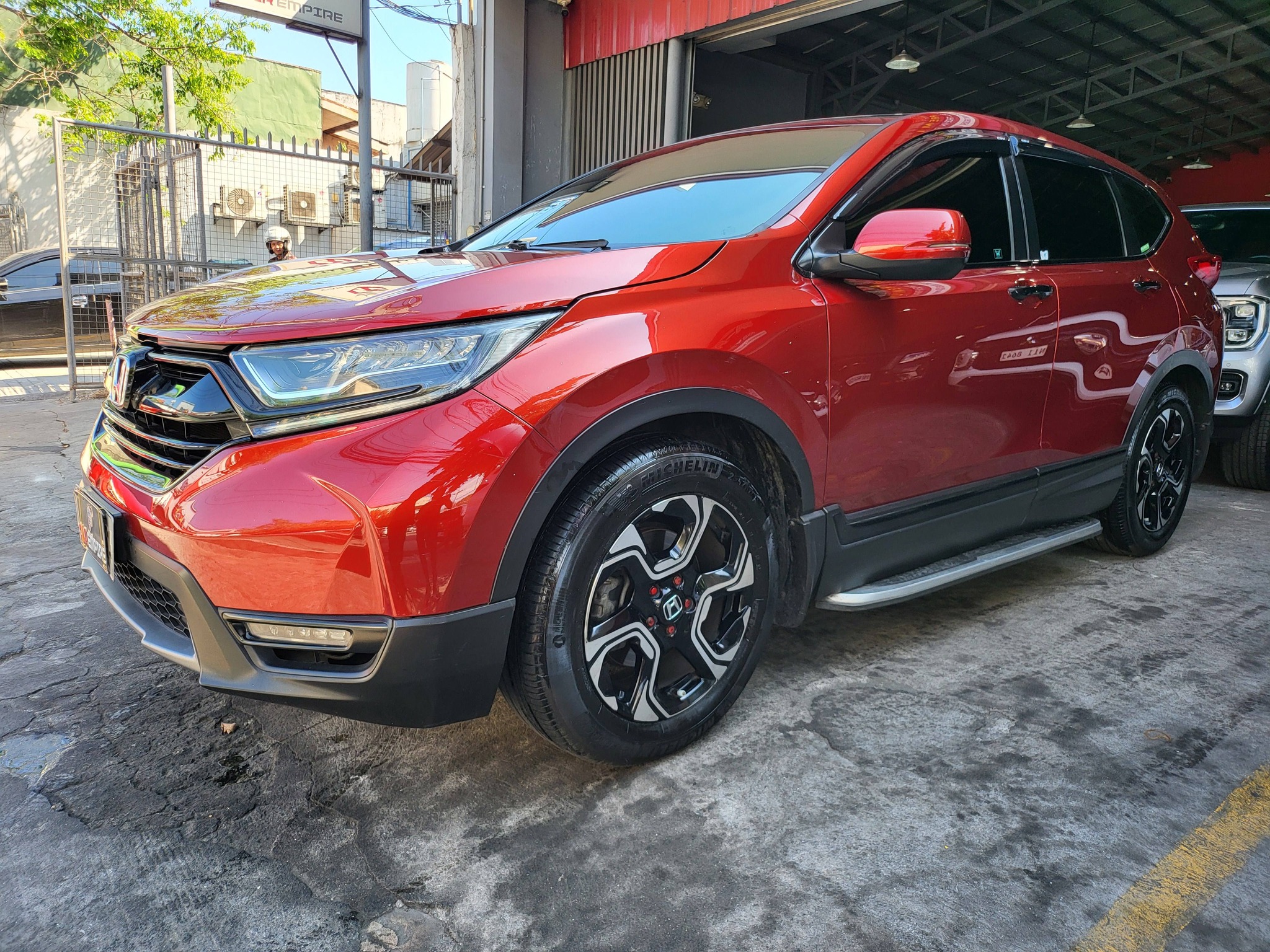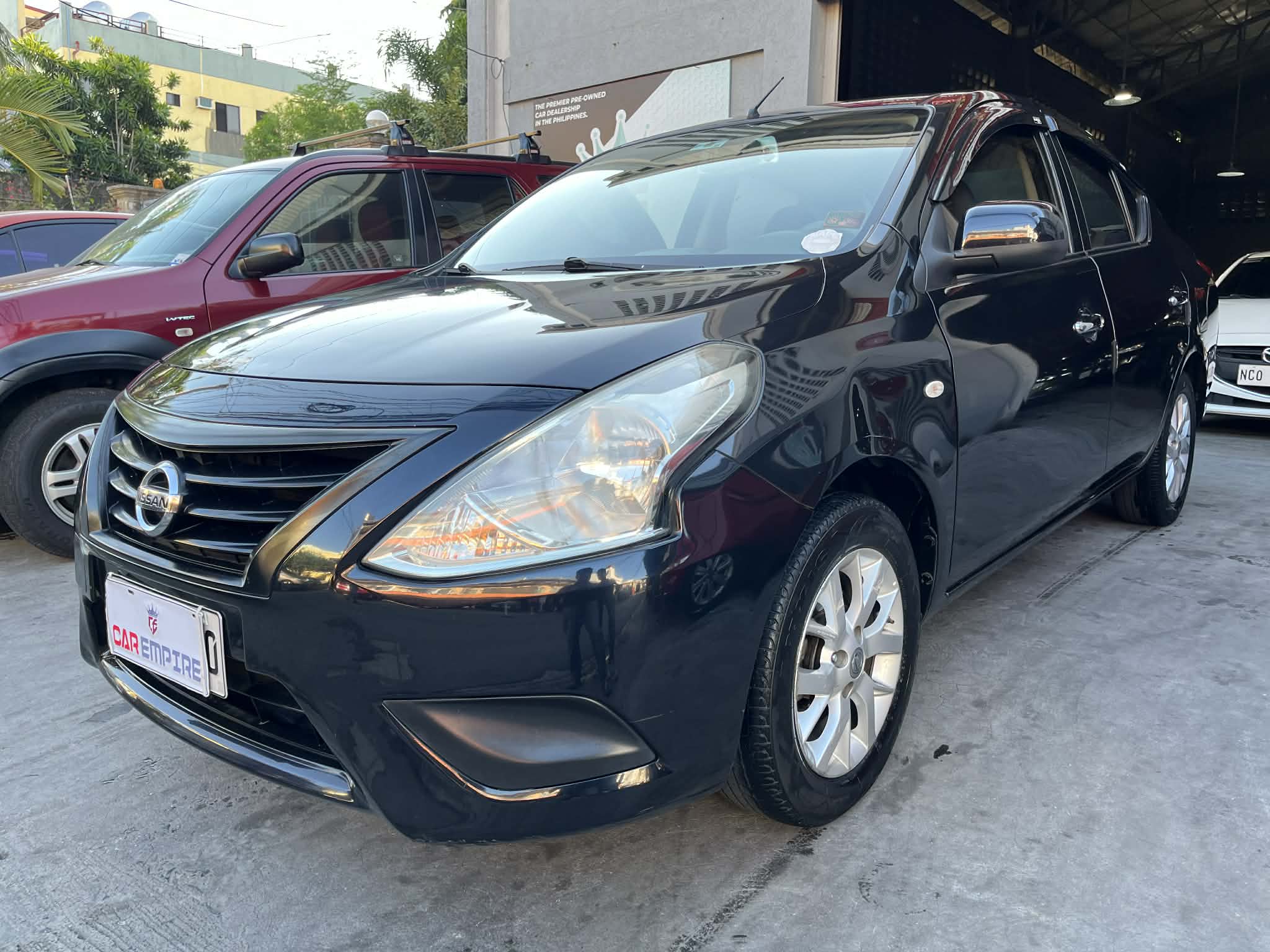
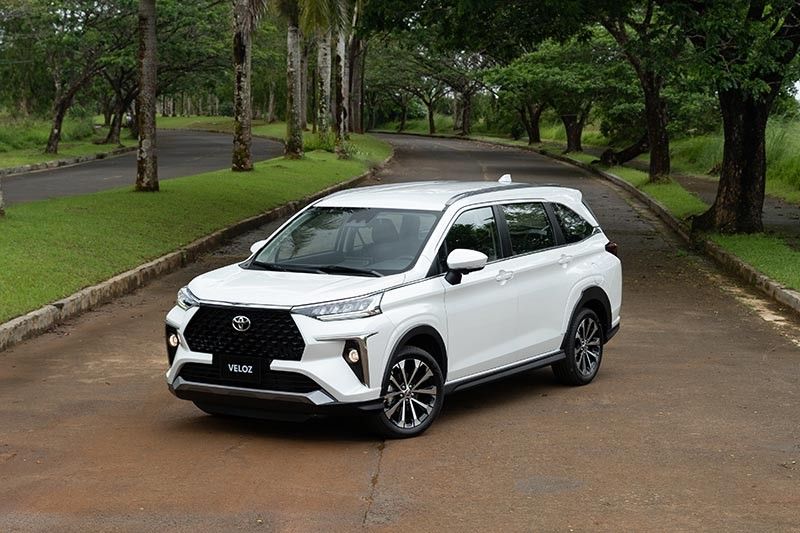
Philippines cars are known for their adaptability to both city streets and provincial roads. The unique driving conditions in the country, such as narrow roads, heavy traffic, and tropical weather, influence the types of vehicles that thrive here. Compact cars remain highly popular due to ease of parking and fuel efficiency. Meanwhile, SUVs and pickup trucks are in demand for families and businesses needing more space and durability.
Many automotive brands compete in the Philippines, offering models specifically designed or modified for local conditions. Features like higher ground clearance, durable suspension, and air-conditioning efficiency are prioritized by consumers. Whether exploring bustling Metro Manila or rural provinces, drivers consider reliability and cost-effectiveness essential when choosing Philippines cars.
Popular Car Brands in the Philippines
Several international car brands have captured the attention of Filipino buyers. Toyota, Honda, and Mitsubishi consistently lead the market with models suited for both urban and provincial use. Toyota remains a household name due to vehicles like the Vios, Fortuner, and Hilux. Honda is popular for its fuel-efficient sedans and compact SUVs, while Mitsubishi attracts buyers with robust pickup trucks and affordable cars.
Filipinos also show growing interest in luxury vehicles and electric cars. Brands such as BMW, Mercedes-Benz, and Tesla are gaining attention among urban professionals and car enthusiasts. This trend indicates that Philippines cars now cater to a broad spectrum, from everyday commuters to high-end consumers seeking comfort and technology.
Tips for Buying Philippines Cars
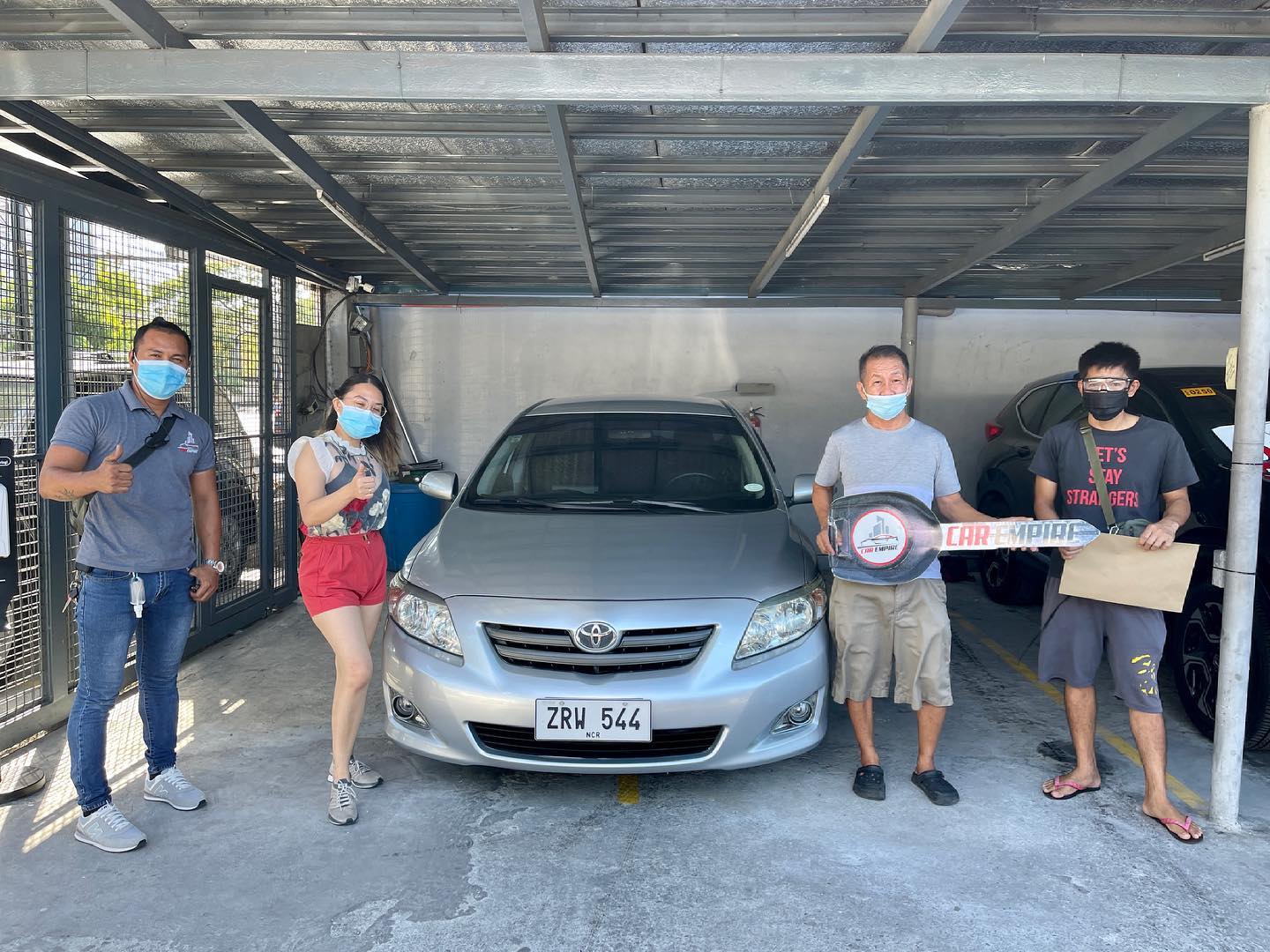
Buying Philippines cars requires careful consideration of budget, vehicle type, and usage. Researching prices and comparing deals across dealerships ensures you get the best value. Many buyers also consider second-hand or certified pre-owned vehicles, which can offer affordability without compromising quality.
When purchasing new or used cars, it is important to check essential features such as fuel efficiency, engine condition, and safety equipment. Consumers often weigh the trade-off between cost and durability, particularly for vehicles intended for both city and provincial driving. Financing options are also available, making it easier for Filipinos to acquire vehicles while managing monthly payments.
Most Sought-After Philippines Cars
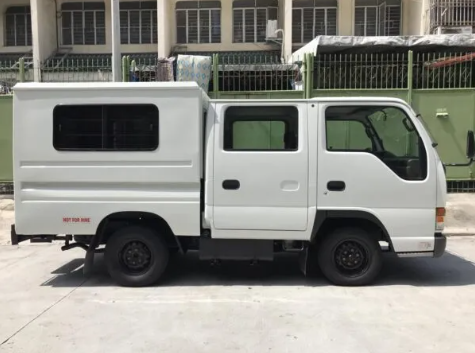
Several models consistently dominate sales charts due to their reliability and performance. Compact sedans like the Toyota Vios, Honda City, and Mitsubishi Mirage remain favorites among first-time buyers and urban commuters. SUVs such as the Toyota Fortuner, Honda CR-V, and Mitsubishi Montero Sport are preferred by families and travelers for their space and road-handling capabilities. Pickup trucks, including the Toyota Hilux and Mitsubishi Strada, are popular for commercial use and rugged travel.
Filipinos also value cars with modern technology and comfort features. Touchscreen displays, advanced safety systems, and fuel-efficient engines are often deciding factors. The growing interest in eco-friendly vehicles, including hybrid and electric cars, reflects increasing awareness of environmental concerns while still maintaining the convenience and practicality of Philippines cars.
Financing Options for Philippines Cars
Acquiring Philippines cars often involves financing, making vehicles more accessible to a wider audience. Banks and dealerships provide car loans with flexible terms, allowing buyers to select monthly payments that suit their budget. Interest rates and repayment durations vary, so careful comparison is essential to avoid financial strain.
Leasing options are also emerging as an alternative for urban professionals and business owners who prefer lower upfront costs. Lease agreements can include maintenance packages, further reducing the burden on vehicle owners. Understanding all available financing options empowers buyers to make informed decisions while enjoying the full benefits of their Philippines cars.
Maintenance and Longevity of Philippines Cars
Proper maintenance is key to ensuring the longevity and performance of Philippines cars. Regular servicing, oil changes, tire rotation, and brake checks prevent costly repairs and extend the vehicle’s lifespan. Many Filipinos rely on authorized service centers to maintain warranty coverage and access genuine spare parts.
The tropical climate in the Philippines also affects vehicle care. Cars exposed to high humidity and occasional flooding require preventive measures such as rust protection and proper drainage. By following recommended maintenance schedules and using quality parts, owners can ensure that their Philippines cars remain reliable for years, whether for daily commuting or long-distance travel.
Car Accessories and Customization
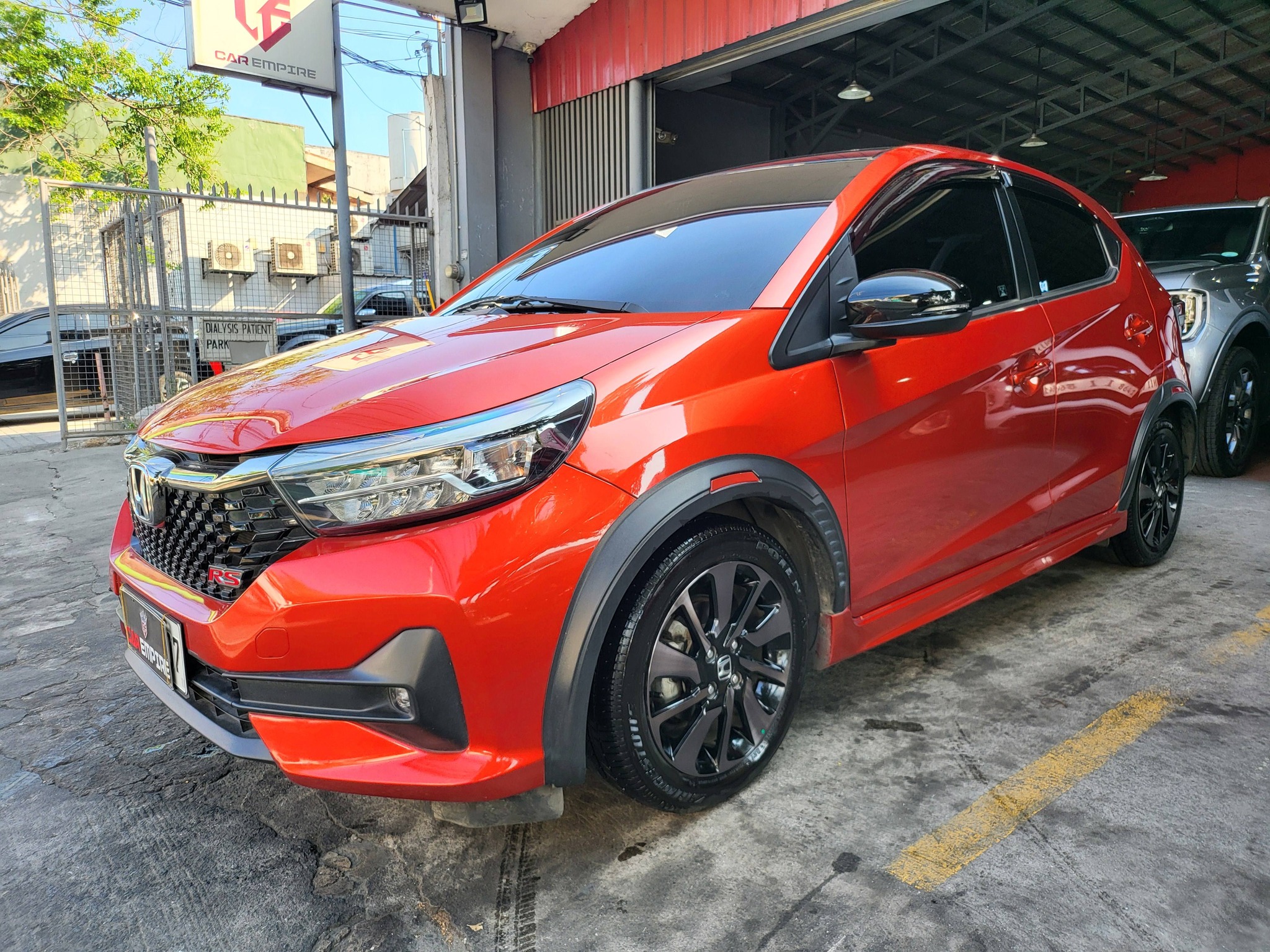
Philippines cars often feature various accessories and customizations tailored to individual preferences. Common upgrades include seat covers, floor mats, infotainment systems, and alloy wheels. Some drivers also enhance their cars with window tints, roof racks, or LED lights.
Customization reflects both functionality and personal style. Families may focus on comfort and storage solutions, while enthusiasts invest in performance upgrades or aesthetic modifications. The growing market for car accessories highlights the diversity and personalization options available for Philippines cars, making ownership more enjoyable and practical.
Trends in the Philippines Car Market
The Philippines car market is evolving with shifting consumer preferences and technological advancements. Hybrid and electric vehicles are gaining traction, supported by government incentives and environmental awareness. Car-sharing and ride-hailing services are influencing urban mobility, prompting automakers to focus on compact, fuel-efficient vehicles.
Connectivity and smart technology are also shaping the future of Philippines cars. Features like GPS navigation, touchscreen displays, parking sensors, and smartphone integration are becoming standard, improving convenience and safety. These trends demonstrate the adaptability of the Philippine automotive market to modern demands and the growing interest in sustainable mobility.
Buying Cars Online in the Philippines
E-commerce has transformed the way Filipinos purchase cars. Many dealerships now offer online listings, virtual tours, and home delivery, making it easier to research and acquire Philippines cars without visiting multiple showrooms. Buyers can compare prices, check specifications, and even negotiate deals from the comfort of their homes.
Digital platforms also provide reviews and ratings, helping consumers make informed decisions. Online tools for loan applications and document processing simplify the buying process, saving time and effort. As more Filipinos embrace digital solutions, online car purchasing continues to expand, making Philippines cars accessible to a broader audience.
Frequently Asked Questions About Philippines Cars
Q1: Which car brand is most popular in the Philippines?
Toyota consistently leads the market due to its reliability, fuel efficiency, and availability of spare parts. Honda and Mitsubishi also enjoy strong followings.
Q2: Are SUVs more suitable than sedans in the Philippines?
SUVs are preferred for families, long trips, and rough terrain, while sedans are ideal for city driving and fuel efficiency. The choice depends on your lifestyle and road conditions.
Q3: Is buying a used car safe in the Philippines?
Yes, buying certified pre-owned vehicles from reputable dealerships can be safe. It is essential to inspect the car’s condition, service history, and ensure proper documentation.
Q4: What are the advantages of electric or hybrid cars in the Philippines?
Electric and hybrid vehicles reduce fuel costs, lower emissions, and sometimes qualify for government incentives. They are suitable for city driving, but charging infrastructure may still be limited in some areas.
Q5: How can I maintain my Philippines car during the rainy season?
Regular servicing, rust-proofing, checking brakes and tires, and ensuring proper drainage in the car’s underbody are crucial steps to protect your vehicle during heavy rain and flooding.
Q6: Where can I buy accessories for my Philippines car?
Authorized dealerships, online marketplaces, and automotive accessory stores offer a wide range of products to enhance both the function and style of vehicles.